Early Mobility Challenges: Understanding Recovery Needs and Support at Home
Mobility can change after a hospital stay, surgery, illness, injury or as daily movement becomes more difficult over time. For individuals and families, these changes may first appear as fatigue during walking, difficulty standing up, concern about falling, or uncertainty about what support may be needed at home.
The term early mobility challenges is often used in healthcare discussions about safely helping hospitalized patients begin moving again during recovery. For patients and caregivers, the same topic can lead to an equally important question: what happens after discharge, when movement is still difficult and everyday life resumes at home?
Mobility City helps individuals and families explore practical mobility equipment, rental options and local support for life beyond the hospital or rehabilitation setting. Our role is not to determine a medical recovery plan. That guidance should come from your healthcare team. Our role is to help you find equipment solutions that support comfort, access and independence once your needs are understood.
What Are Early Mobility Challenges?
Early mobility challenges are limitations or concerns that affect someone’s ability to move safely and comfortably during everyday activities.
In a hospital or intensive care setting, early mobility or early mobilization may refer to clinician-directed activity that helps eligible patients begin moving during recovery. This can range from repositioning and sitting upright to standing or walking with medical supervision, depending on the patient’s condition and care plan.
At home, early mobility challenges may look different. They may include:
● Difficulty standing from a chair or sitting down safely
● Reduced balance or confidence while walking
● Fatigue during short walks or daily routines
● Hesitation when using stairs or navigating the bathroom
● Needing support after surgery, illness or hospitalization
● Avoiding errands or family activities because movement feels difficult
● Concern from a caregiver or family member about fall risk or independence
A sudden or significant change in mobility should always be discussed with a healthcare provider. For many families, however, recognizing mobility challenges is also the first step toward exploring practical support for daily living.
Why Is Early Mobility Discussed in Hospitals and ICU Recovery?
People searching for early mobility challenges may be researching a loved one’s hospital stay, rehabilitation plan or recovery after a serious illness.
In hospitals and intensive care units, early mobility protocols are created and managed by clinical teams. These programs may be designed to help appropriate patients begin moving safely while reducing some of the complications associated with prolonged immobility.
The Agency for Healthcare Research and Quality identifies several potential barriers to early mobilization in ICU settings, including medical instability, pain or discomfort, sedation, lines or tubes, staffing needs and the coordination required to move patients safely.
For families, the important takeaway is simple: mobility during hospitalization is a clinical decision. Patients should follow the guidance of their physicians, nurses and therapy teams regarding when and how movement should begin.
The need for support may not end when the hospital stay does. After discharge, some individuals may still experience reduced stamina, difficulty walking longer distances, concern about balance, or a temporary need for mobility equipment at home.
Benefits of Early Mobility and Continued Movement During Recovery
Healthcare professionals may discuss the benefits of early mobility in hospitalized patients as part of a broader recovery plan. The specific benefits and appropriate activity level vary based on each patient’s medical situation.
Once a person returns home, continued movement and independence may still matter greatly to quality of life. Being able to move more confidently through the home, attend follow-up appointments, participate in family activities or complete everyday routines can make recovery feel more manageable.
That does not mean every person needs mobility equipment. It means that when movement has become harder, the right support may help someone follow their recovery guidance, preserve energy and remain engaged in daily life.
Mobility City helps customers and caregivers explore equipment options after their healthcare team has identified their mobility needs.
Early Mobility Challenges After Hospitalization, Surgery or Illness
A person leaving the hospital may not immediately return to their previous level of mobility. Someone recovering from surgery may have temporary restrictions. An older adult recovering from illness may feel less steady or tire more quickly. A caregiver may realize that home routines now require additional support.
Early mobility challenges after recovery may include:
● Needing support during walking or transfers
● Becoming fatigued during errands or medical appointments
● Feeling less secure in the bathroom
● Requiring caregiver assistance for longer distances
● Needing temporary equipment during a recovery period
● Having difficulty getting up from a seated position
● Feeling concerned about moving safely inside or outside the home
These situations may call for different types of support depending on the individual’s care plan, home environment and daily activities.
Mobility Support Options for Life at Home
Mobility City offers a range of products designed to support individuals and caregivers as mobility needs change. A local Mobility City team can help customers explore available options, compare features and identify equipment that aligns with their needs and healthcare guidance.
Walking Canes for Light Stability Support
For individuals who need an additional point of support while walking, walking canes may help provide greater confidence during daily movement.
A cane may be appropriate for someone who remains independently mobile but wants light support when walking through the home, attending appointments or completing daily errands. Customers should discuss the appropriate device and fit with a healthcare provider when needed.
Rollators With a Seat for Support and Rest Breaks
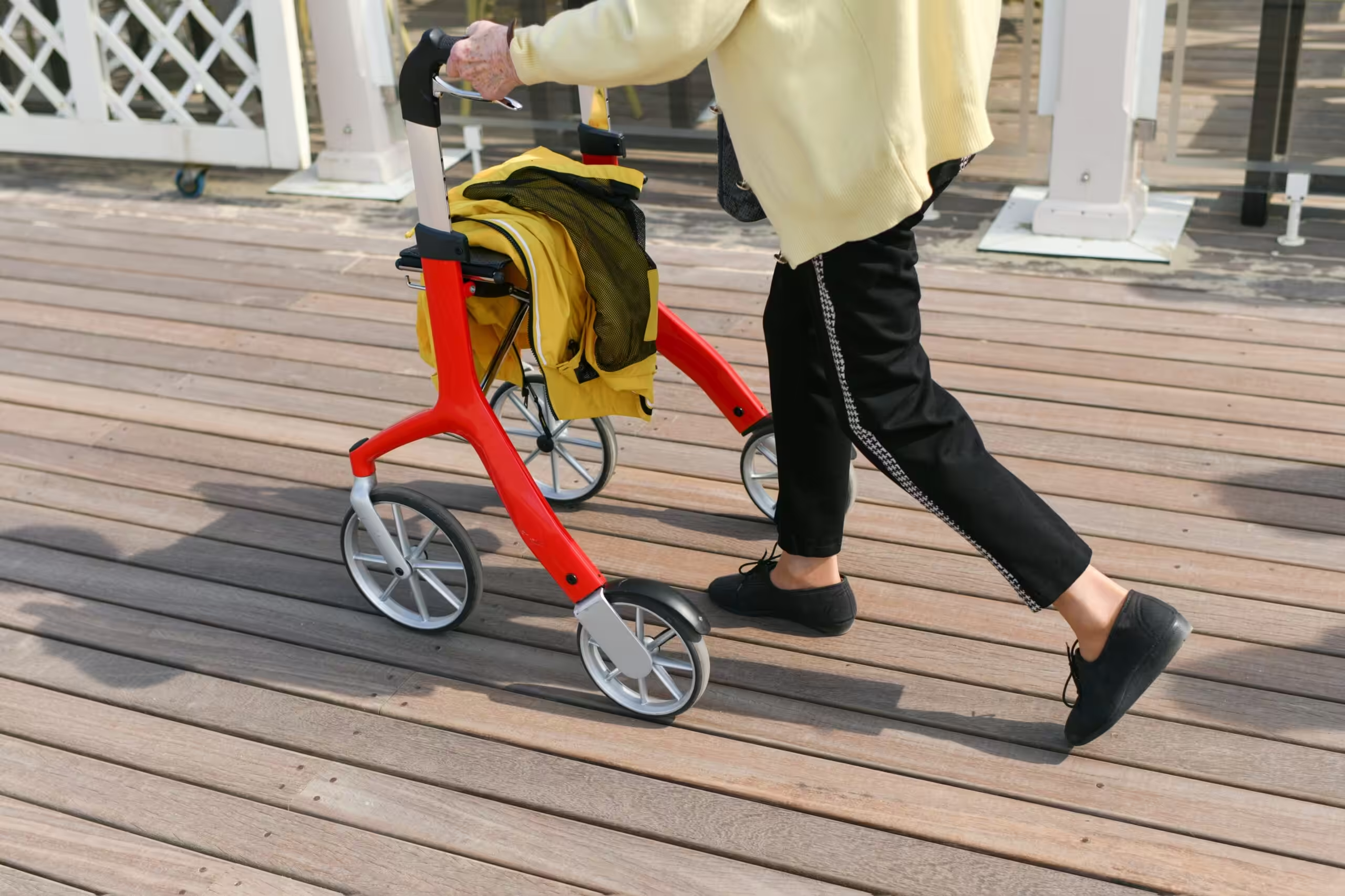
For individuals who can walk but become tired during longer distances, rollators with a seat may provide walking support along with a convenient place to rest.
A rollator may be worth exploring for someone who wants to remain active but needs added stability, hand brakes, storage or a seated rest option during outings and daily routines.
Transport Chairs for Caregiver-Assisted Mobility
When longer distances become difficult, a lightweight transport chair may help a caregiver assist a loved one during medical appointments, errands, family events or travel.
Transport chairs are designed to be pushed by a caregiver and may be useful for individuals who can manage some movement independently but need additional assistance for extended outings.
Bathroom Safety Equipment for Daily Routines at Home
Bathrooms are one of the most important areas to consider when mobility has changed. Standing, turning, stepping and transitioning between surfaces can become more difficult during recovery or as balance changes.
Mobility City offers bathroom safety equipment such as shower chairs, transfer benches and other products designed to support safer, more accessible daily routines.
When Temporary Mobility Support May Be Enough
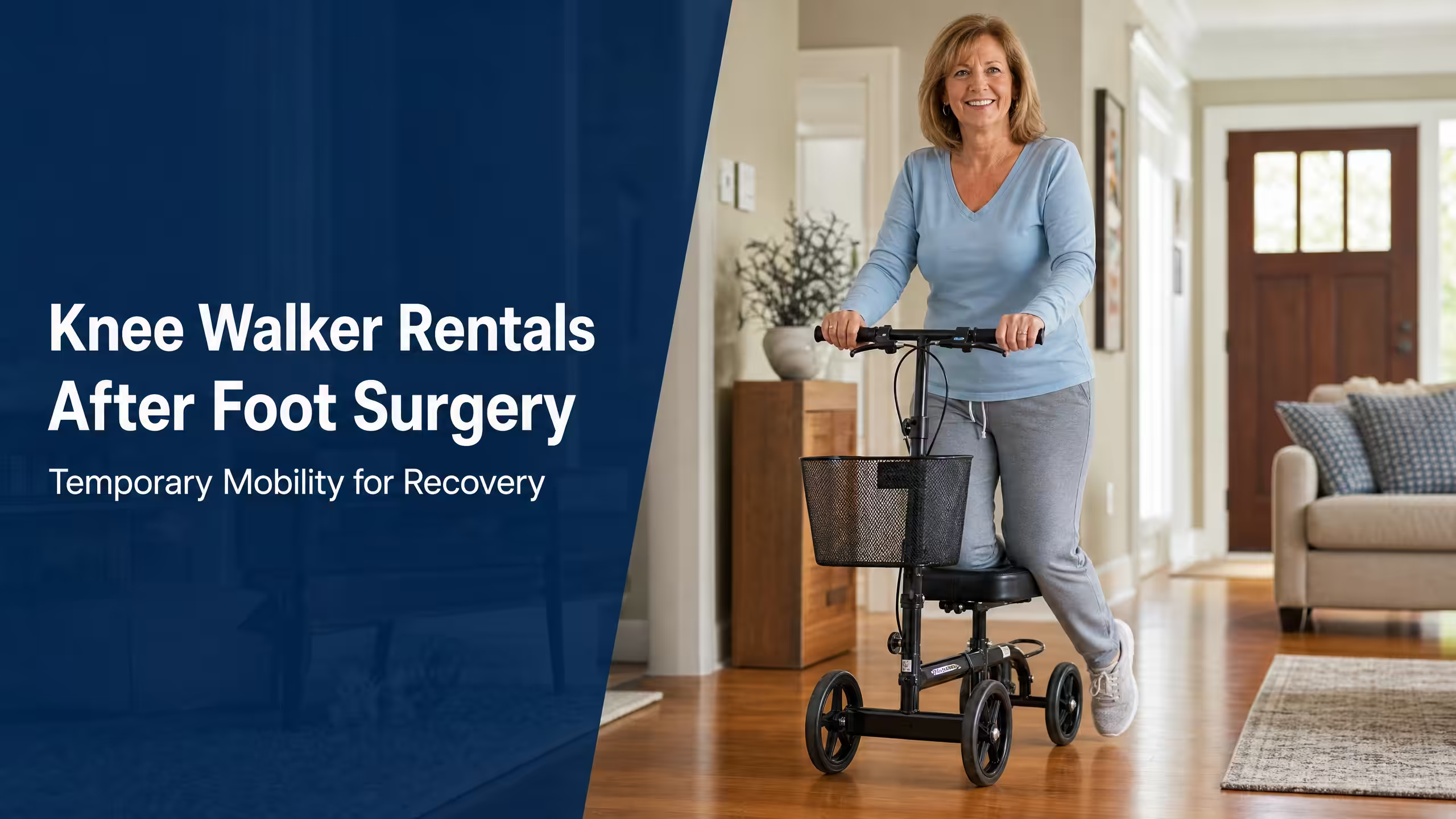
Some mobility challenges are temporary. A customer may need equipment while recovering from surgery, returning home after hospitalization, healing from an injury or helping a loved one during a defined recovery period.
In those situations, purchasing equipment may not always be necessary.
Mobility City offers mobility equipment rentals for select products and needs, depending on local availability. Rentals may provide a practical option for customers who need temporary support during recovery, travel or changing mobility circumstances.
A local Mobility City showroom can help customers understand what rental products are available in their area and whether a rental or purchase better fits their situation.
Moderate Mobility Support: When Needs Begin to Change
Some people searching for mobility guidance may not be experiencing a major loss of independence. They may simply need moderate mobility support because certain tasks have become tiring, uncomfortable or less secure than before.
This might include someone who:
● Walks independently at home but needs support during longer outings
● Becomes tired while shopping or attending appointments
● Wants a safer way to navigate bathing routines
● Needs temporary help after a procedure or hospital stay
● Is helping a loved one adjust to changing balance or endurance
The goal is not to overstate the need. It is to help people understand that mobility support can be scaled to fit real daily routines, from a cane or rollator to a transport chair, bathroom safety product or short-term rental.
When to Contact a Healthcare Provider
Mobility changes can have many causes. Contact a healthcare provider when changes are sudden, worsening, painful, associated with a fall or injury, or connected to new symptoms or concerns.
A healthcare provider or therapy professional can help determine what movement is safe, whether equipment is appropriate and what type of support may fit the recovery plan.
Mobility City can then help customers explore available products, rentals and local equipment options based on those needs.
How Mobility City Helps Individuals and Caregivers
Mobility City is a local resource for families navigating changes in mobility, whether those changes are temporary or ongoing.
Customers can visit a nearby showroom to explore mobility equipment in person, ask questions about product features and discuss available rental options. Our teams help individuals and caregivers better understand practical equipment choices for walking support, seated mobility, bathroom safety and everyday independence.
For many families, mobility support is not about giving something up. It is about finding ways to stay involved, stay comfortable and continue moving with greater confidence.
Find Mobility Support Near You
Early mobility challenges can begin in the hospital, during recovery or in the small changes families notice at home. Wherever the need begins, understanding available support options can make the next step easier.
Visit our mobility equipment rentals page to explore temporary support options, or find a Mobility City location near you to speak with a local team about mobility equipment for yourself or a loved one.
Call Mobility City at (800) 306-0133 or visit your nearest showroom to explore mobility support options for recovery, daily routines and continued independence.
Frequently Asked Questions About Early Mobility Challenges
What does early mobility mean in a hospital setting?
In a hospital or ICU setting, early mobility generally refers to clinician-directed activity intended to help eligible patients begin moving during recovery. The type and timing of activity depend on the patient’s medical condition and care team guidance.
What are common barriers to early mobilization in the ICU?
Clinical resources identify possible barriers such as medical instability, sedation, pain or discomfort, medical equipment such as lines and tubes, and the staffing and coordination required for safe movement. Questions about a specific patient’s mobility plan should be directed to the hospital care team.
What are the benefits of early mobility in hospitalized patients?
Early mobility may be included in a clinical recovery plan to help appropriate patients maintain function and address some effects of prolonged immobility. Benefits and eligibility vary by patient, and hospital-based mobility should always be guided by healthcare professionals.
What mobility support may be helpful after hospitalization or surgery?
Depending on a person’s recovery plan and daily needs, options may include walking canes, rollators, transport chairs, bathroom safety products or temporary rental equipment. A healthcare provider can help identify appropriate needs, and Mobility City can help customers explore available equipment options.
Can Mobility City help with temporary mobility needs?
Yes. Mobility City offers rental options for select mobility equipment, depending on local availability. Rentals may be useful during temporary recovery periods, travel or other short-term mobility needs.